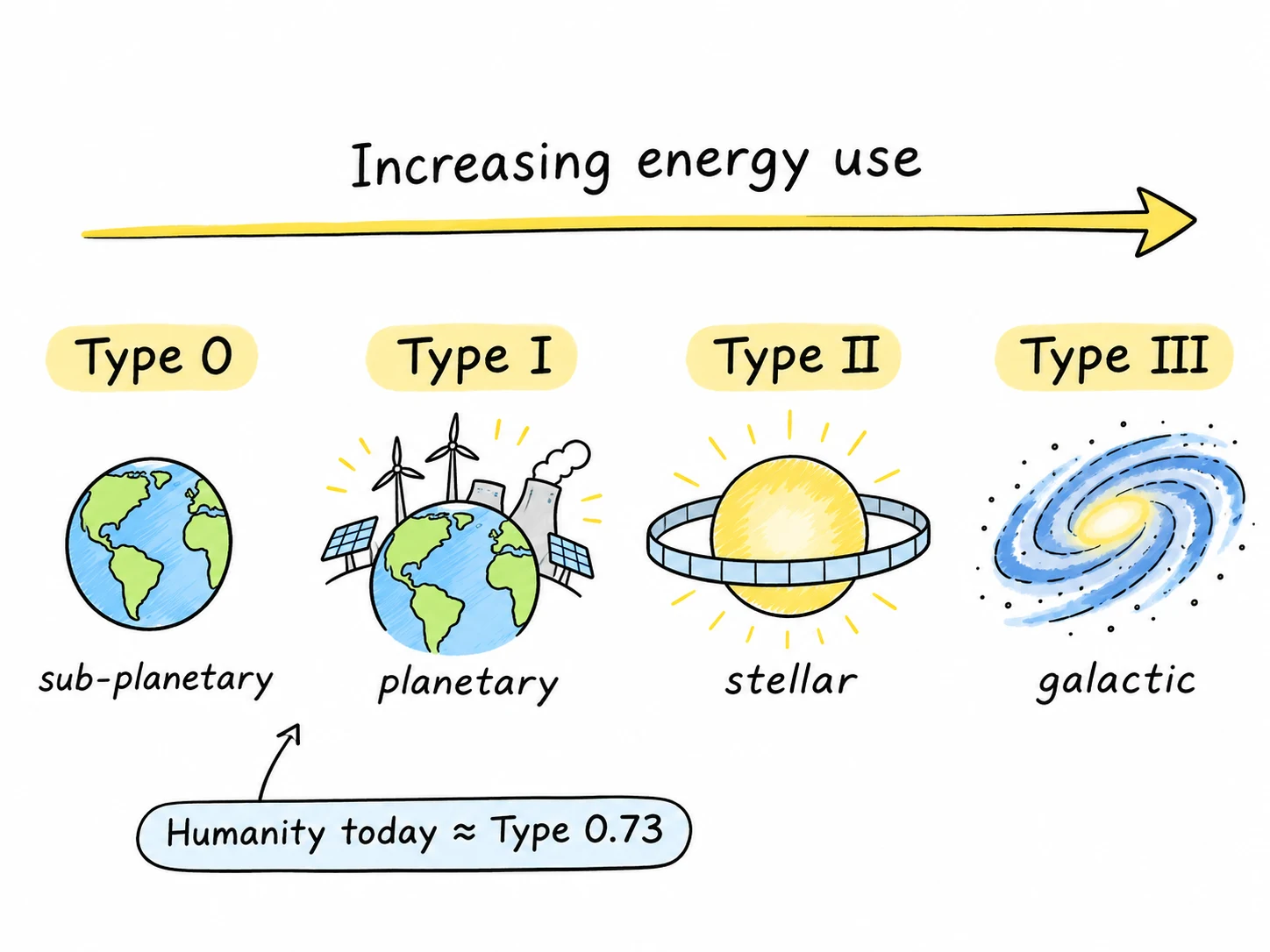
Type 0.73
Humanity runs on a fifth of one per cent of the power a planetary civilization would command, and its newest machines are already short of wire.
Oliver: a Living Database.
Databases were built as archives, where data settles into layers and waits for someone to dig. Oliver senses what arrives, reacts when it changes and remembers what it learns, fast enough to have reflexes.
The dashboard you can't stop refreshing.
Series mode gives Oliver the habit-forming part of a great metrics product: drag a time range, zoom from a month to a minute, slice by any label, and the chart is already there. Typical charts draw in under 10 milliseconds at every zoom level.
Full-text search is now up to 714× faster.
We built a new full-text index for Oliver. It finds a common word in 7 microseconds, takes up to 3.5 times less space, builds nearly five times faster, and returns exactly the same answers as our existing index.

Oliver: a Frontier Database™.
Frontier models run on GPUs, and now the database they ask does too. On one GPU, Oliver answers over 6,000 questions a second across 100 million rows, up to 2,529 times faster than asking them one at a time.
Oliver beats ClickHouse.
Across 244 query shapes on identical servers, Oliver was 3.06 times faster than ClickHouse at the median, and it ran all of them in less time than ClickHouse took to load the data.